

A year ago, Coca-Cola was growing mainly because it charged more. Price was adding six times as much growth as volume. This year it’s the other way round, and Unilever and P&G show the same pattern. People are buying more again.
When price stops driving sales, you have to sell more to someone. We look at what it costs to reach that someone, and why it’s hard to bring them back. And the Dorival case shows what a market leader can do when there’s no share left to take.
01What caught our eye
At Coca-Cola, growth is coming from volume again
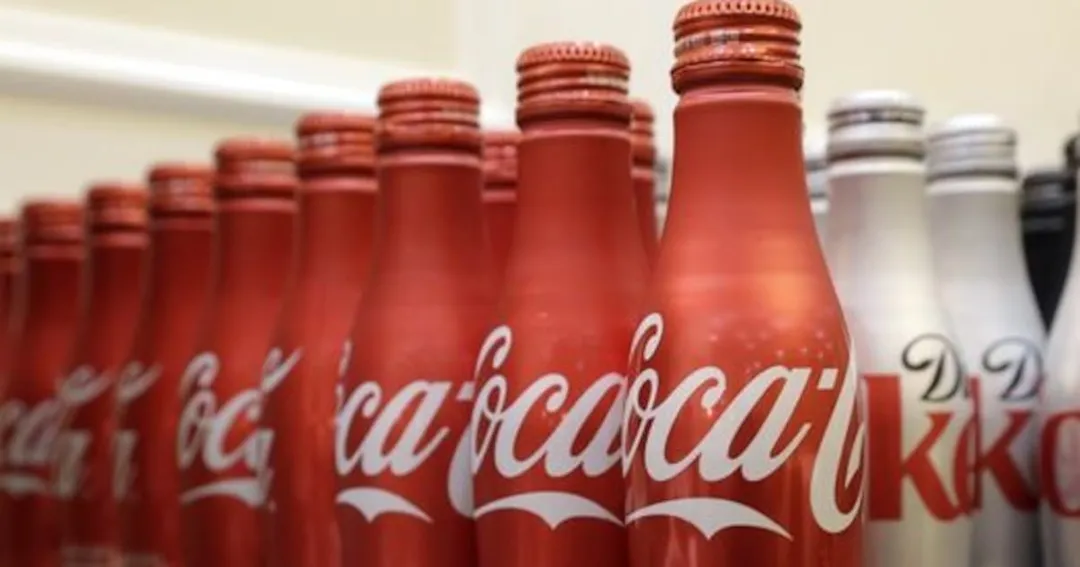
A year ago, in the third quarter, Coca-Cola sold just 1% more. Another 6 points of growth came from higher prices and from people choosing pricier products, which companies call “price/mix”, according to its 2025 results.
This year the balance has flipped. Volume grew by 5%, and price/mix by only 1%, according to the results published on 27 October. Unilever’s sales rose by 5.2%, with volume contributing more than price, 2.9 points against 2.3, its quarterly report shows. At P&G, price accounted for only 0.4 points of 4% growth, according to the company’s release.
The new CEO, Henrique Braun, told analysts that value matters to people again, meaning a brand they can afford and that is worth choosing. The company is working on affordable products and premium versions at the same time, and CFO John Murphy said it will keep investing in its brands, BeverageDaily reports.
When prices stop rising, sales grow only if people buy more often or new buyers turn up.
And new buyers have to be reached first.
Reaching people on Meta keeps getting more expensive
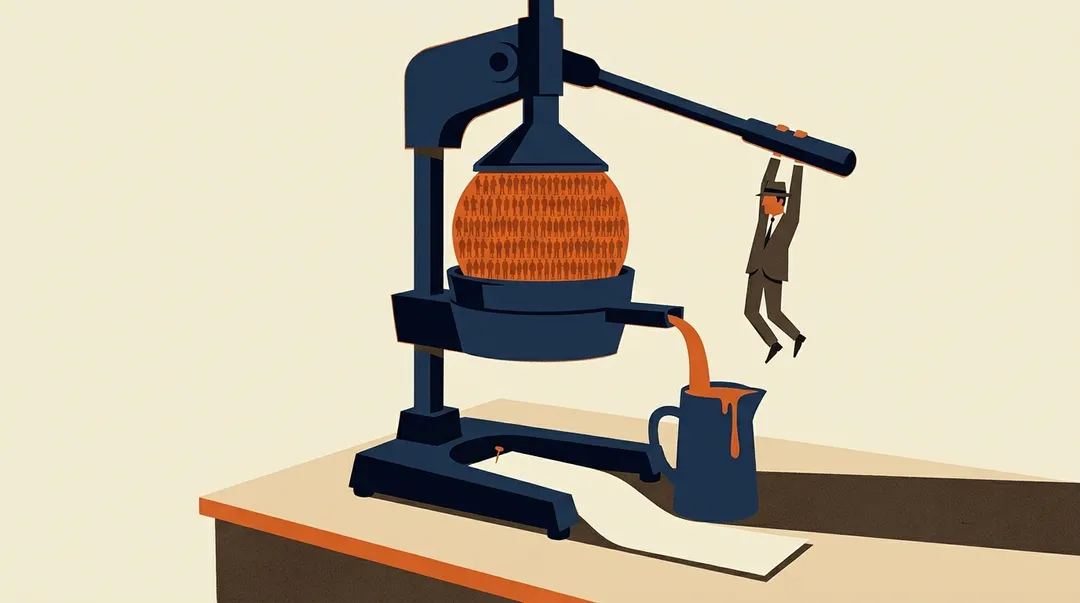
When you’re looking for new buyers, Facebook and Instagram are usually the first stop. In the third quarter, the number of people using Meta’s apps every day grew by just 3%, to 3.64 billion. Meta showed them 10% more ads, and the average price per ad still rose by 14%, according to its results of 21 October. Advertiser demand is growing faster than the audience.
In Europe, impressions grew by 8% and price by 10%. That’s slower than at the start of the year, when price had risen by 19%, but you still pay more for every impression. The regional figures come from the investor presentation, as reported by PPC Land.
Meta’s fastest-growing format is ads made with creators, paid for by the brand and run from the creator’s account (partnership ads). Revenue from them grew by more than 97% in a year and, at the current pace, would pass 15 billion dollars a year, CFO Susan Li said, according to PPC Land. If you want to reach someone else’s audience, this is the format to watch.
When you plan for 2027, assume the same people will cost you more on Meta than they did this year.
Google earns less when people search with AI
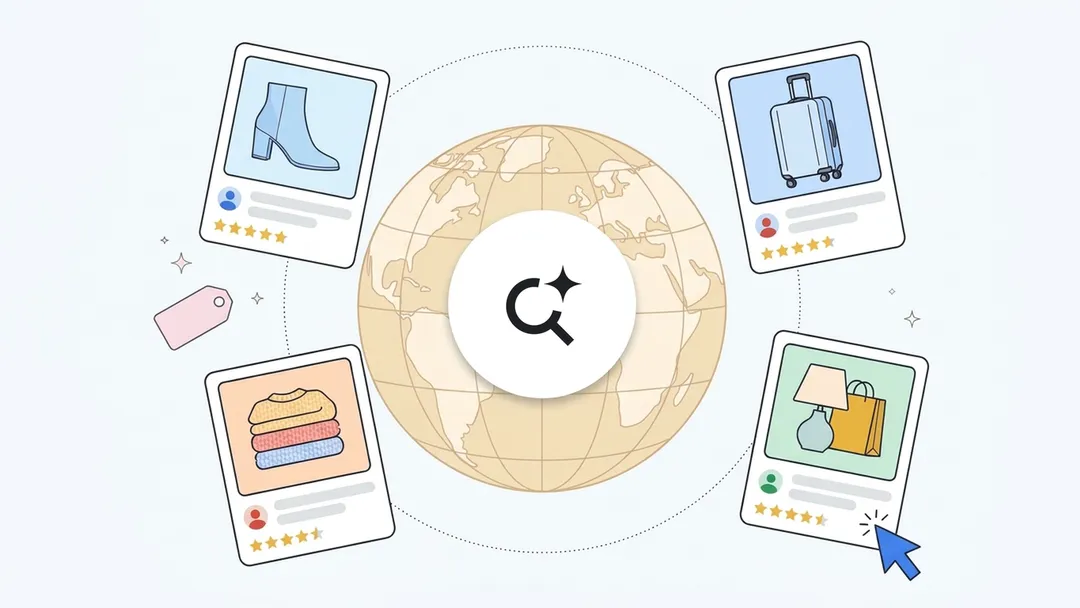
More and more people search in AI Mode, the version of Google that gives you a written answer instead of a list of links. Google’s search revenue grew by 12% to 63.3 billion dollars, after 15% a year earlier, Marketing Dive notes. On 28 October, chief business officer Philipp Schindler put most of the slowdown since the previous quarter down to exchange rates. He admitted, though, that AI Mode searches also held growth back, because Google earns less from ads there, the transcript shows.
Google’s answer is to put ads in AI Mode too. It announced ads in ten new countries, including Australia, Canada and India, on its official blog. The UK, Brazil and Mexico are next. No EU country is on the list.
Based on data from the US, where AI Mode already carries ads, Google says people click on sponsored products as often as on the others, but it hasn’t published the figures. In Romania, AI Mode has worked in Romanian since October 2025 and has no ads yet.
While AI Mode has no ads in your market, you can see for free what Google recommends instead of you.
Search for your category there and check whether you show up.
02Worth knowing
A campaign works harder when people see it in several places

Kantar measured how much of a campaign’s effect comes purely from people seeing it across several channels, for example on TV, Instagram and YouTube. Before 2014, that share was 18%. Now it’s 43%, according to Media Reactions 2026, a study of 23,000 consumers in 33 countries and 800 senior marketers.
Even so, four in ten marketers aren’t sure they’ve split their budget well across channels. The data is global, with no figures for Romania.
When you cut a channel because it looks expensive, you may also lose part of what the others were doing.
Romanians shop online, but not often
60% of Romanians aged 16 to 74 ordered something online in the past 12 months, against 74% across the EU. The biggest gap, though, is in frequency. Only 7.6% of Romanians ordered at least six times in three months, against 20% in the EU, according to Eurostat data for 2025.
19% of Romanians ordered in the past year but not in the past three months. Across the EU, only 11% did.
For a brand selling online in Romania, getting the customer back is harder than getting the first order.
Label something “made with AI” and people assume you worked less

Researchers at the University of Southern California looked at what happens to a post once it’s labelled “made with AI”. They started from the moment TikTok introduced the label, in September 2023, then tested the result in experiments. Labelled posts got less engagement. People didn’t find them worse. They felt the creator had put in less work, and felt less connected to them, SSIR summarises.
The loss was smaller when the creators themselves wrote which parts were made with AI. The study is due to appear in the Journal of Consumer Research.
If you label content as made with AI, also say what the humans did.
Subscribe to the newsletter.
Like how we think? Get an article like this one twice a month.
03A case study worth a look
How the princesses ended up talking about periods
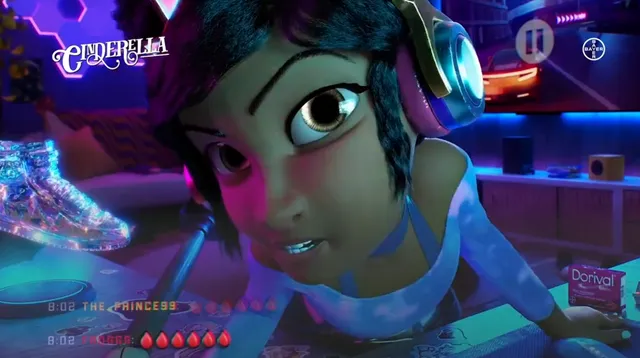
In Central America, Dorival, Bayer’s painkiller for period pain, already had 80% of the market. Yet only 40% of girls aged 15 to 24 took anything for the pain. The rest put up with it, out of shame or because of misinformation.
With 80% of the market, Dorival had no share left to take from competitors. It did have new buyers to bring in. In a content campaign, Rapunzel, Cinderella and Sleeping Beauty became teenagers of today, answering real questions about periods and pain, including on Instagram and TikTok. The questions came from online searches and from what girls were discussing on social media, LBB reported at launch, in April 2024.
A subject girls didn’t talk about became one they followed and sent to their friends.
Dorival’s growth, and the share of girls buying it rising to 65%, come from its IPA Effectiveness Awards entry. The category growth comes from a separate entry, to the APG awards.
These figures come from award entries, so from the brand and its agency. We don’t know the comparison period, or whether the 65% is measured the same way as the 40% at the start.
When you already own most of the market, you grow by bringing in people who don’t use the category yet.
04Just hype?
Is it worth optimising your site for ChatGPT?
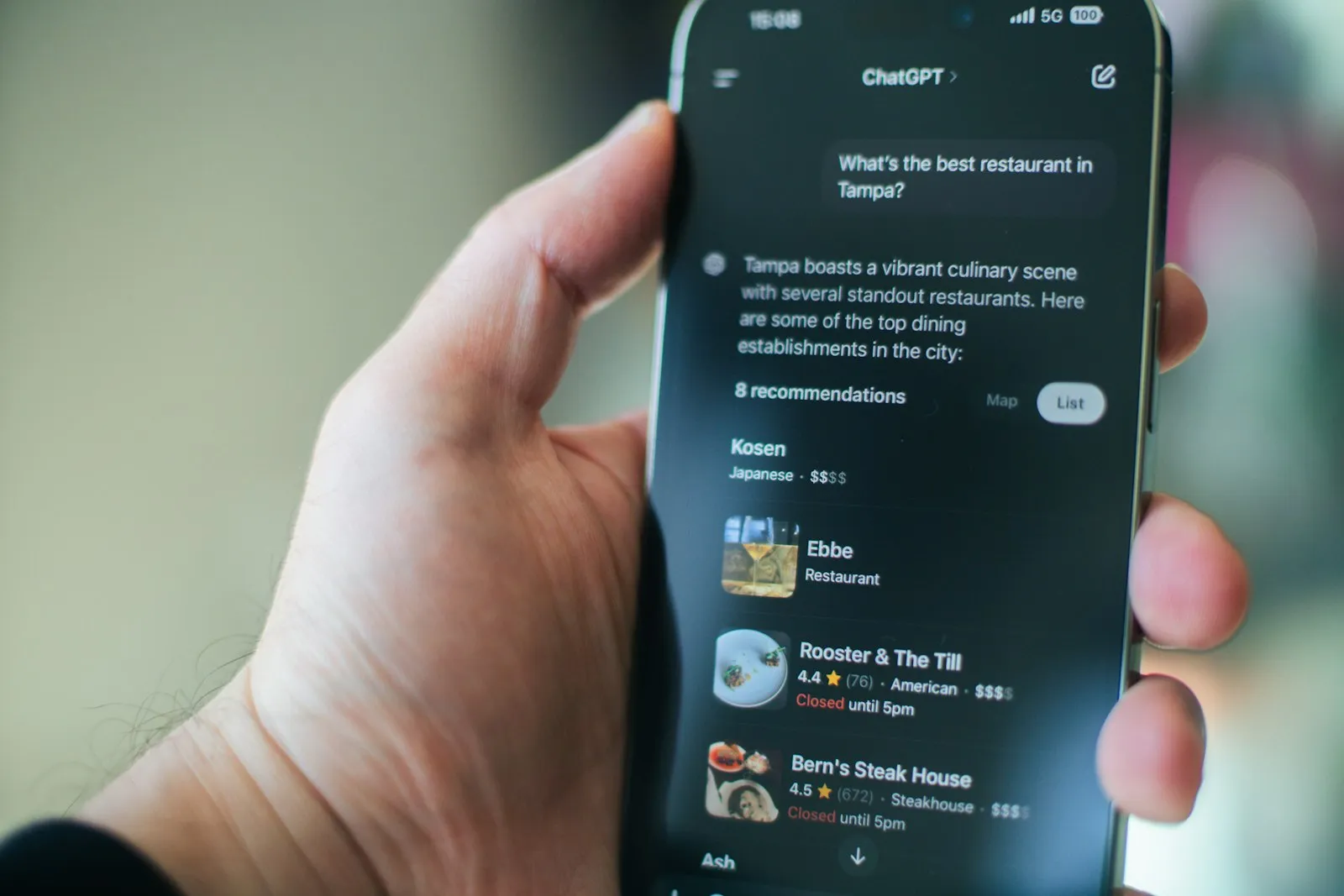
GEO (generative engine optimisation) is a kind of SEO for AI assistants. You write your content so that ChatGPT or Gemini recommends you when someone asks about your category. Marketers believe in it. The gap between those who plan to invest more in AI assistant visibility in 2027 and those who plan to cut is 75 percentage points, according to Kantar. Consumers are more cautious. Only 33% research brands through assistants, and 24% trust what they recommend.
A study that hasn’t yet been peer reviewed shows how far the tricks go. The authors tested three AI assistants on skincare products, with one real brand and nine made-up ones. With identical products, the assistants picked the real brand every time.
Then they gave the made-up brands authority claims, also made up, such as “clinical study, 120 participants”. A brand using them on its own beat the real one in 73% of cases. When all nine used them, the real brand won again in 94% of cases, the study shows. When the products differed, the ranking depended 82% on rating, reviews and price, and only 1% on the brand name. The familiar name only decided ties.
Verdict: useful, but overhyped. A wording trick helps you only until your competitors find it too. What lasts is what assistants actually read: reviews, price and, in a tie, a name they recognise.
Sources
- Coca-Cola: third-quarter 2025 results
- Coca-Cola: third-quarter 2026 results
- Unilever: third-quarter 2026 trading statement (SEC)
- P&G: July to September 2026 results (SEC)
- BeverageDaily: Coca-Cola’s Q3 growth and brand investment
- Meta: third-quarter 2026 results (SEC)
- PPC Land: Meta ad impressions and prices by region
- PPC Land: Meta’s ads with creators up 97% in a year
- Marketing Dive: Google search ad revenue growth cools
- The Motley Fool: Alphabet Q3 2026 earnings call transcript
- Google: ads in AI Mode expand to more countries
- Google Romania: AI Mode available in Romanian
- Kantar: Media Reactions 2026
- Eurostat: frequency of online purchases, 2025
- SSIR: AI disclosures reduce engagement on social media
- LBB: Bayer reimagines classic princesses to talk about periods
- WARC: Dorival’s IPA Effectiveness Awards entry
- WARC: Dorival’s APG Creative Strategy Awards entry
- arXiv: how AI assistants choose which brands to recommend