

What we believe, and how we work.

These are the beliefs and habits we work by at Digital Star. They don't live on a poster in the corridor. They're what we ask of each other when a project gets hard.

A colleague films a young woman preparing food in a bright kitchen with a small camera

Culture shows up in what we make.

01

Good projects need more than talent.

They need honest conversations, shared responsibility and people who want to make an idea better, whoever had it first.

01

High standards, low ego.

We'd rather get the project right than be right ourselves.

A good idea can come from anyone. We question our own thinking, ask for criticism that actually helps and keep going until the idea is worth putting in front of people.

The best ideas rarely come from the loudest person in the meeting.
02

Say it straight, with respect.

We tell clients what we really think, even when it isn't what they hoped to hear.

We ask awkward questions when they lead to a better decision. And we can disagree with an idea without making a drama out of it.

Clients don't need another agency that says yes to everything. They need one they can rely on.

03

Own the outcome.

Our job doesn't end when we've delivered what the brief asked for.

We care about what the campaign is meant to change. When we spot a problem, or a brief that could be better, we say so. And if an idea isn't ready, we won't pretend it is.

We own it from the first question to the result.

04

Stay curious, and pass on what you learn.

Platforms and people keep changing, and today's clever trick is soon what everyone does.

We keep an eye on what's happening, try new things and look outside the usual sources. Then we turn what we find into something the team and our clients can use.

Curiosity only counts when it leads to a better decision next time.

05

Good work should leave room for life.

Nobody has good ideas when they're exhausted all the time.

Agency life has its hard weeks, and some projects ask more of us. But if everything is always needed yesterday, that usually points to a broken process, not extra dedication.

Teams that last make better campaigns and better partners.

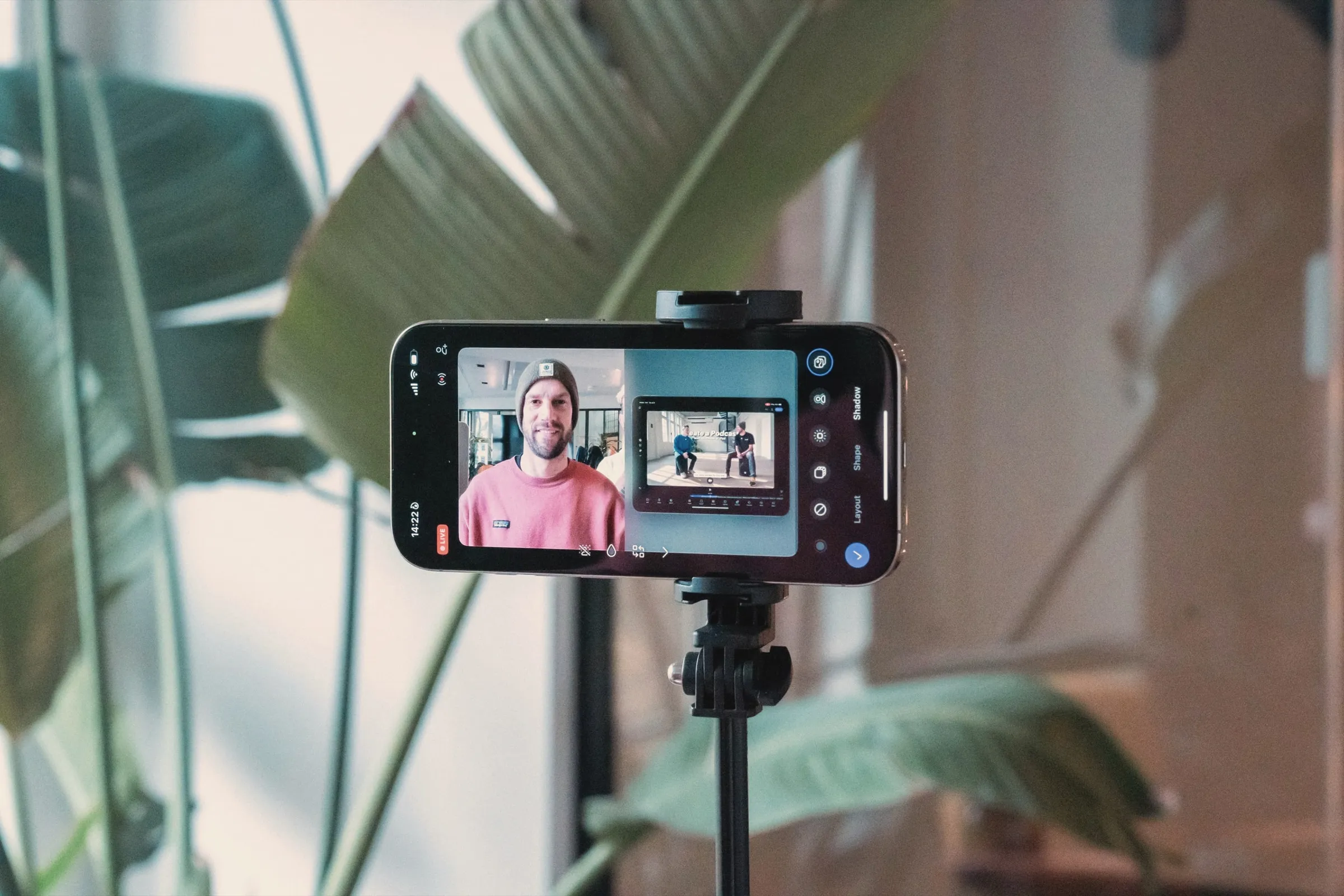
A phone on a tripod recording a smiling man, with plants blurred in the background
A hand drawing a plan with a marker on a glass board
Two colleagues laughing together at their desks in an open office
02

What we do before we make anything.

Filling gaps in the calendar is no reason to make more content. Clients need ideas that start from a real customer decision, fit how people behave and still hold up once the presentation is over.

06

Start from the decision, not the brief.

A brief tells us what to make. We also want to know why it's needed.

What decision are people making? What stops them choosing the brand? What would make that choice easier, and the brand harder to mistake for anyone else?

The deliverable comes later. We start with the decision it needs to influence.

07

Relevant before loud.

You don't win attention by throwing more content into a feed that's already full.

We look for the tension, behaviour or cultural moment that gives the brand a credible reason to take part. Then we build on what people actually notice and care about.

Visibility is useful. Being worth noticing is better.

08

Strategy that goes live.

We like ambitious ideas. We like them even more when they get past legal.

A good strategy has to survive real budgets, deadlines, platforms and approvals without losing the idea that made it interesting.

The presentation isn't the finish line. What matters is what people actually see.

09

Move at social speed, with corporate discipline.

Social media rewards agencies that react quickly. Big brands also need a partner who thinks before hitting publish.

We move fast when the moment calls for it, without putting the brand or the quality at risk. Speed is there to get an idea out at the right time, not to save us from thinking it through.

We react quickly and decide carefully.

10

Learn from every campaign.

Every project shows us what people notice, ignore, remember and act on.

We use what we learn to make the next project better, not just to fill a report. Over time, the lessons from one-off campaigns add up, and each test makes the next one sharper.

Every decision should build on what the last one taught us.

For you, this means

You’ll get

  1. Real interest in your brand, not just the brief.
  2. Honest opinions, said plainly.
  3. A team that’s still excited long after the pitch.

Less content.
More reasons to choose your brand.

Cookie settings.

Choose which cookies we can use. Necessary cookies keep the site working and can't be switched off.

Remembers your cookie choice and keeps the site working. cookie_consent, 12 months.
Always on
Counts visits, shows which pages are read and how they are used, so we can improve the site, and remembers how you found us. Google Analytics 4, Microsoft Clarity and ds_lead_src, from 1 day to 2 years.
Shows whether our ads bring visits and enquiries, and lets us show them to people who have already visited the site. Meta Pixel, LinkedIn Insight Tag and Leadfeeder, from 1 day to 2 years. Details are in the cookie policy.