


A marketing calendar can be full and still fail to deliver. Each project might make sense on its own, but when the messages wander too far from the brand’s line, people are left with no reason to remember why they should pick it.
- McDonald’s. Admits it hopped from one partnership to the next too quickly.
- Nestlé. Is spending more, but putting the money into fewer initiatives.
- Influencer marketing. The data shows that a creator’s fit with the brand’s values counts for more than their fame.
01What caught our eye
McDonald’s admits it hopped from one partnership to the next too quickly
McDonald’s is rethinking its calendar after a quarter in which too many launches, promotions and collaborations piled on top of each other. US comparable sales grew by just 0.8%, against 2.5% in the same period of 2025, and visits fell. The FIFA campaign underperformed, and restaurants were juggling too many initiatives at once.
CEO Chris Kempczinski warned against leaning on what he calls “borrowed equities”: cultural properties such as Minecraft, FIFA or the Grinch, which can spark bursts of interest but not necessarily steady growth. Marketing Week explains the change of direction, and the company’s results show the traffic problem behind it.
Nobody’s saying partnerships should go. But if people lose interest the moment the characters or the event move on, the campaign has bought some short-term traffic or sales and left the brand with very little.
Nestlé is spending more, but trying to do fewer things
The figures come from Nestlé’s results presentation and Marketing Week’s analysis.
The bigger budget is only half the story, even though paid media spend grew by double digits. The company talks about “fewer, bigger initiatives” in campaigns and innovation: rather than spreading money across as many projects as possible, it is concentrating investment where it can get enough visibility and keep it going.
Efficiency doesn’t always mean making things more cheaply. Sometimes it means dropping projects that are too small to matter.
So when we look at a marketing budget, perhaps the question isn’t only where we can save, but what we keep funding even though it’s too small to make a difference.
Fit with the brand counts for more than the creator’s fame
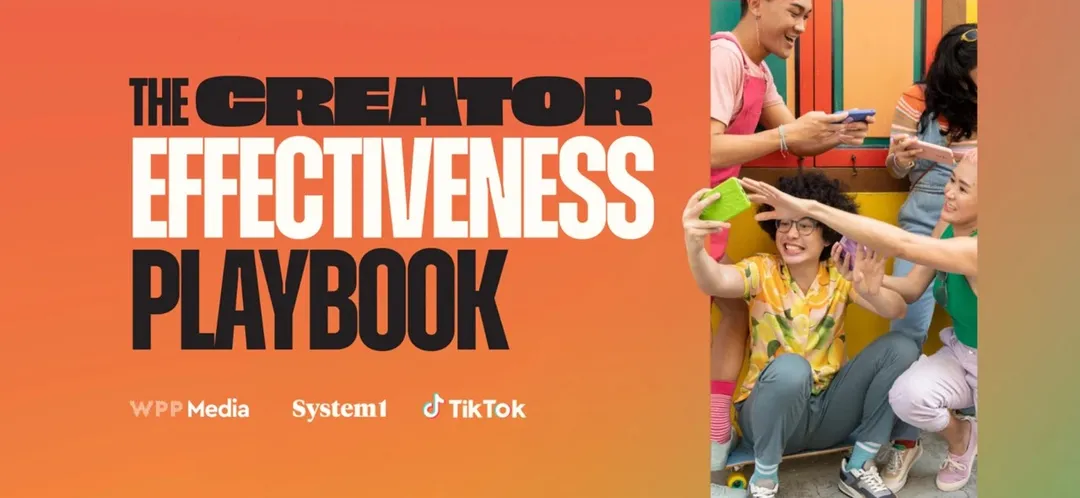
Creators are still picked by follower count far too often. A study by System1, WPP Media and TikTok shows why that is the wrong yardstick:
- Ads analysed
- 1,217, of which 620 were made with creators
- Impressions
- 23.6 billion
- Respondents
- Around 183,000 users
- Result
- On average, creator ads delivered a 23% higher Brand Memory Lift than standard short-form video ads
- What mattered
- The strength of the idea and the fit between creator and brand, more than fame
The study measures brand recall, not sales, but it points to a useful rule of thumb. The right creator isn’t the one with the biggest audience. It’s the one whose world your product can walk into without looking shoehorned in.
02Worth knowing
IAB has updated its framework for labelling AI-made ads

In the European Union, the transparency obligations in Article 50 of the AI Act apply from 2 August 2026. As new rules arrive in the EU and other markets, IAB has published the second version of its AI transparency framework.
Sara Karlovitch writes in Marketing Dive that the advice isn’t to label every bit of AI involvement:
- Label it. Synthetic images and clips, digital twins of living or dead people, certain synthetic voices and conversational agents used in advertising.
- No label needed. Colour correction, routine post-production and obviously fantastical images.
83% of advertising executives say they’ve used AI in the creative process, 23 percentage points more than in 2024, and 72% want a common standard. IAB warns, though, that labelling everything gets people used to the labels and makes them easier to tune out.
For brands, the sensible move is an internal rule based on the risk of misleading people, not a label slapped automatically on every AI-assisted execution.
Retail media promises a direct line between the ad and the purchase
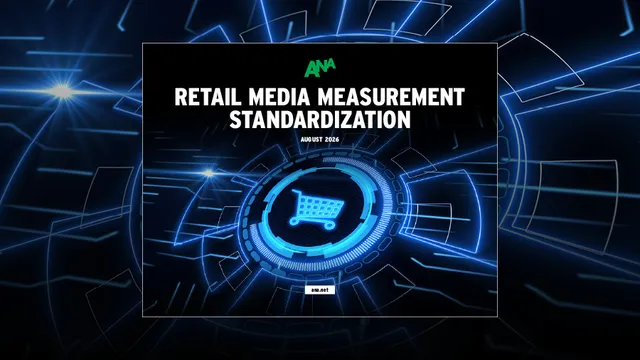
The catch is that each network may define gross, net, attributed or incremental sales differently. The ANA has published a standardisation framework for a category expected to reach 90 billion dollars in the US by 2028. IAB Europe’s retail media standards also call for a common attribution window, so investments can be compared.
A ROAS of 5 on one network isn’t automatically comparable with a ROAS of 5 on another.
Before shifting budget towards the bigger number, check which sales it includes, the time window and whether there’s a control group.
Crocs has launched Niles, a crocodile mascot almost two metres tall
Niles is based on the crocodile on Crocs shoes. He’ll star in a weekly micro-series filmed at the company’s headquarters and may later spread into experiences, products and other formats.
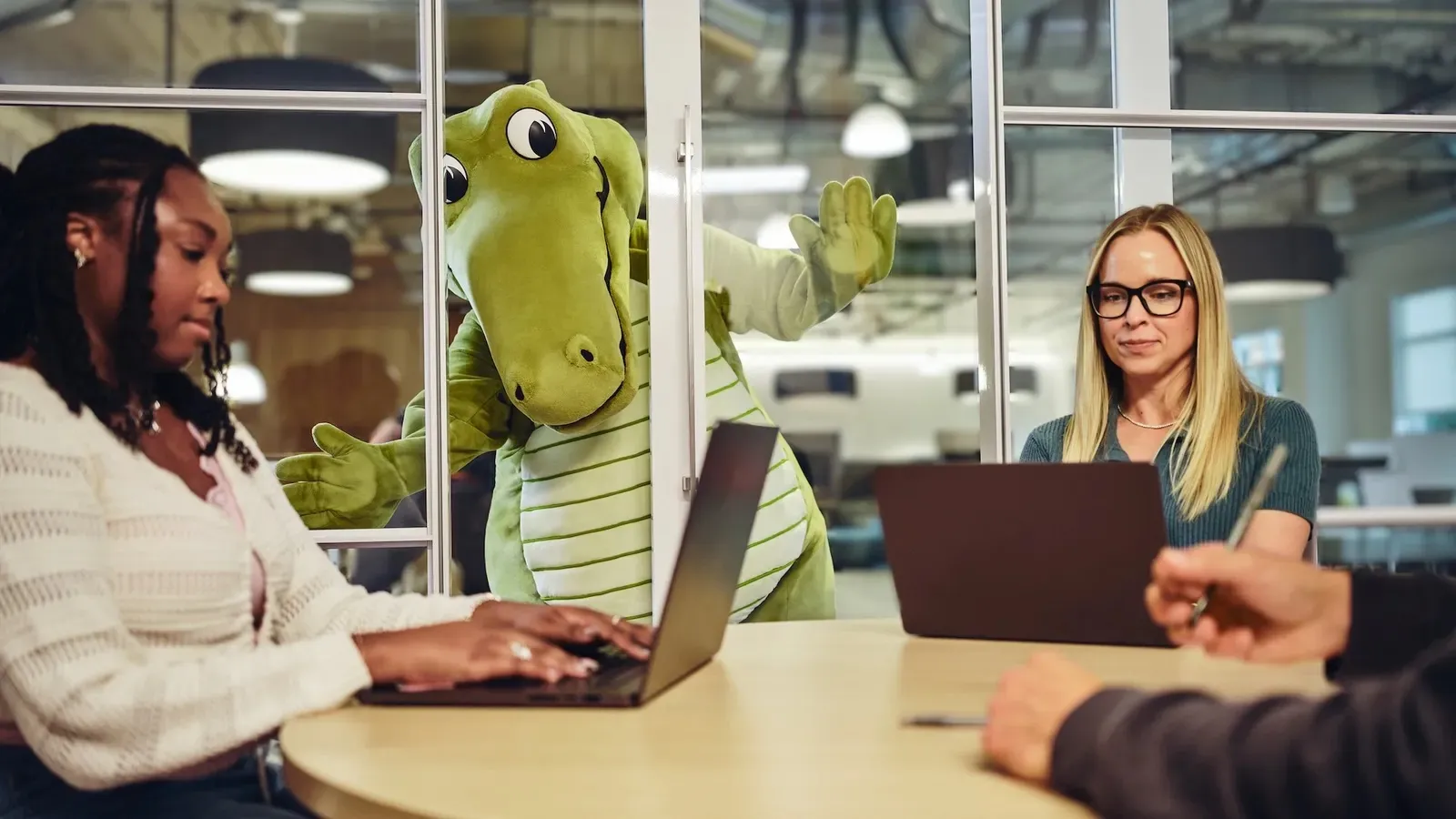
The Crocs CMO calls it a long-term investment in intellectual property the brand owns. Marketing Dive has more detail on the strategy. There are no results yet to prove Niles will work, but the direction is worth watching.
Instead of renting characters and celebrities forever, Crocs is trying to turn a distinctive asset it already has into one that grows more familiar over time. The payoff won’t be quick: it will depend on what the brand does with the character over the next few years.
Subscribe to the newsletter.
Like how we think? Get an article like this one twice a month.
03A case study worth a look
How Jacob’s crackers created a new eating habit
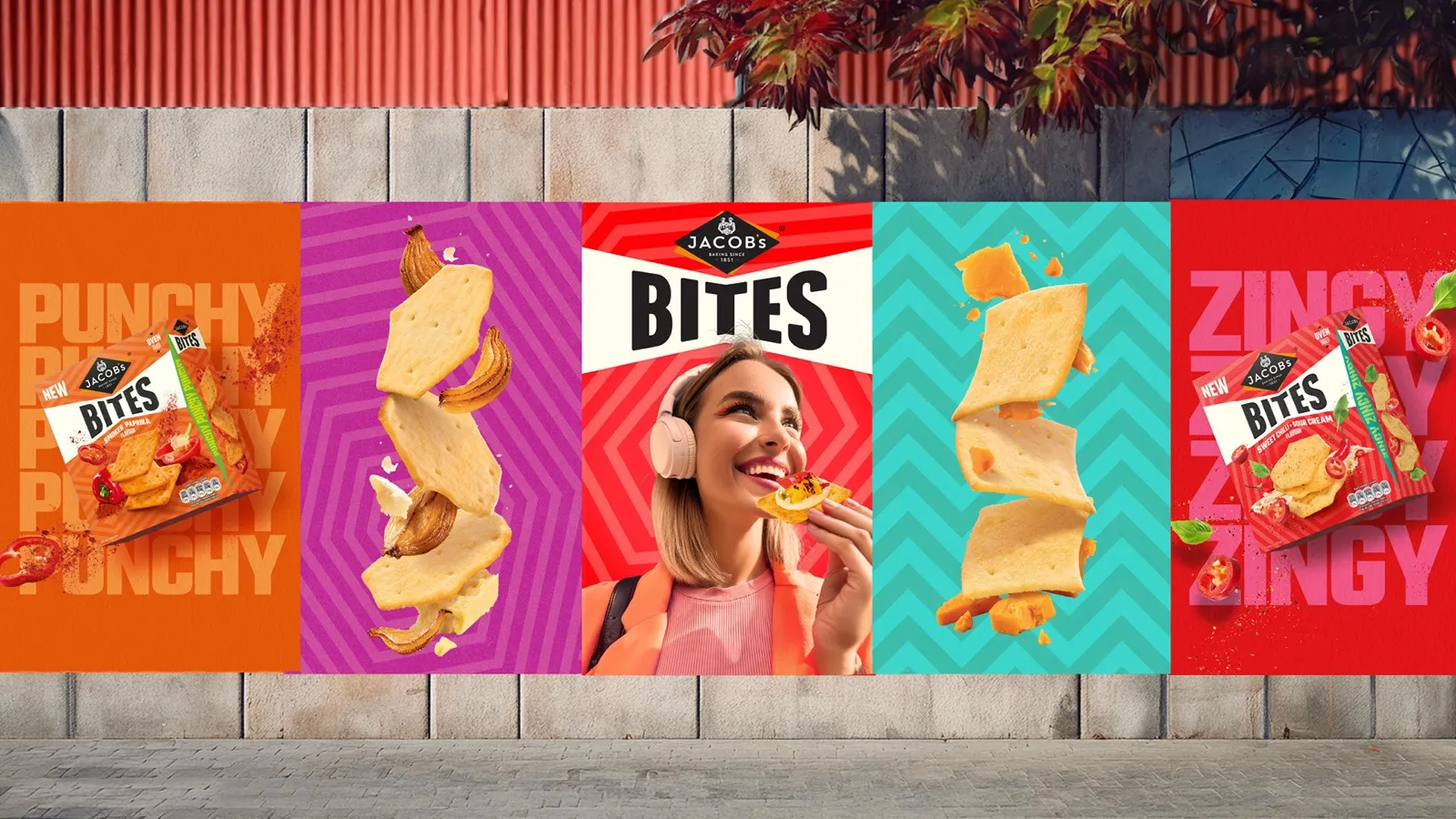
Jacob’s is a household name in the UK, but it was stuck in old-fashioned occasions: savoury crackers with cheese, bought for the cupboard at home. The brand was losing penetration, with volumes down 2.7% in a category growing by 0.5%.
Rather than push the existing range harder, Jacob’s launched Bites. The product, packaging and identity were designed for a different occasion: a quick, full-flavoured snack that could take on crisps and nuts.
The figures come from the case study published by the Design Business Association, based on NIQ and Kantar data.
- Launch budget
- £2 million for outdoor and paid social, plus another million for shopper marketing
- New shoppers
- 55% of Bites sales came from shoppers drawn in from neighbouring categories
- Repeat purchase
- 39%, above the 35% benchmark used for Ritz
Jacob’s built an offer for a bigger eating occasion, and it looks as though it paid off.
04Just hype?
Synthetic (AI) influencers

The pitch is tempting: a character that’s always available, does as it’s told and costs less than a human creator. Cheaper production, though, isn’t a reason for anyone to listen to one.
In Sprout Social’s 2024 influencer marketing report, the audience is split: 37% of respondents say an AI influencer would make them distrust the brand, another 37% say it would make them more interested, and the rest say they could not tell the difference.
IAB also found a 37-point gap between how positively the industry thinks young people react to AI-made ads and how consumers say they actually react.
Crocs’ Niles makes a useful comparison. A crocodile that’s openly fictional doesn’t pretend to have experiences, tastes or a personal life. A photorealistic synthetic influencer is trying to borrow the credibility of a real person.
Verdict: overhyped. AI can still make interesting characters, as long as the fiction is out in the open.
Sources
- Marketing Week: McDonald’s on jumping between campaigns
- McDonald’s: Q2 2026 results
- Marketing Week: Nestlé’s investment strategy
- Nestlé: 2026 half-year results
- WPP Media, System1 and TikTok: The Creator Effectiveness Playbook
- Marketing Dive: IAB revisits AI disclosure in ads
- ANA: Retail Media Measurement Standardization
- Marketing Dive: Crocs hatches new mascot Niles
- Design Business Association: Jacob’s Bites, Design Effectiveness Awards 2026
- IAB: The AI Gap Widens