

People are hit with an avalanche of ads every day. For brands that want to stay relevant and build a real connection with their audience, personalising digital campaigns has stopped being optional. It's a necessity.
01An experience made for every user
Personalisation gives people an experience that feels relevant and made for them, so they feel noticed and understood. That tends to mean more loyal customers and better retention.
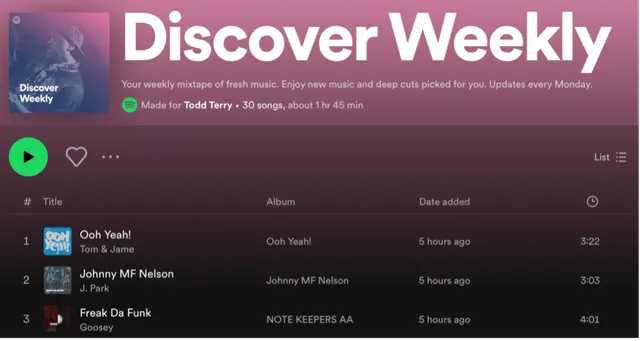
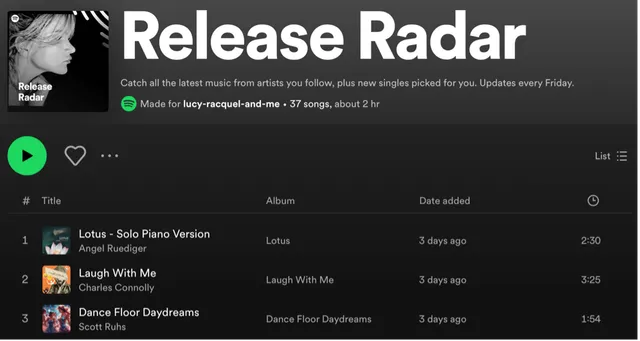
Spotify is one of the best examples. Playlists such as “Discover Weekly” and “Release Radar” are built around each user's taste and listening history. They keep people close, and they nudge them towards songs and artists they haven't heard yet.
02More conversions
Personalised messages are more relevant and more appealing, so they convert better. Show someone the right product at the right moment and a casual visitor can become a loyal customer.
Amazon is a textbook case. Recommendations based on what each customer has bought and browsed put relevant products in front of them and bring in a considerable volume of extra sales.
The figures come from McKinsey's November 2021 study on the value of personalisation. The same study found that faster-growing companies drive 40% more of their revenue from personalisation than their slower-growing peers.
03Fewer abandoned baskets
Personalisation cuts basket abandonment through reminders and offers tailored to each customer that encourage them to finish buying.
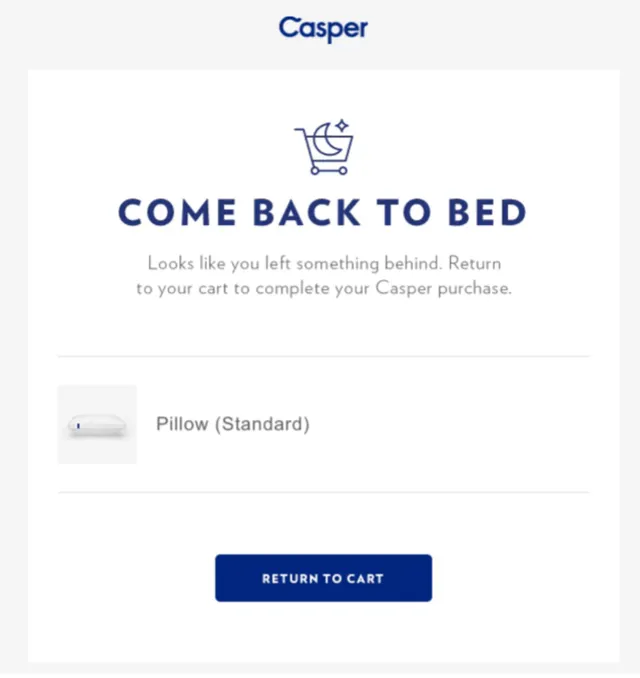
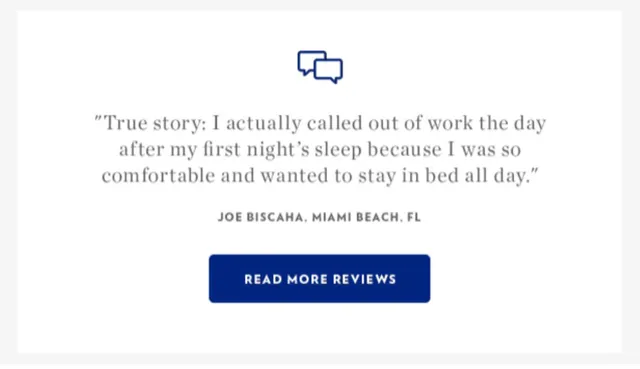
That's why so many online shops email people who've left items in their basket: they remind them what they left behind, warn that stock is running low or send a discount code. Casper, for example, invites customers to “come back to bed” and adds a customer review to the email.
04More trust
Personalisation builds trust between a brand and a potential customer. People value brands that understand and respect what they need and like.
- Example
- A luxury fashion brand sends personalised newsletters with recommendations based on each customer's past purchases and stated preferences.
- The extra
- Exclusive access to new collections and special events.
- The effect
- Customers who trust the brand more and stay loyal to it.
Subscribe to the newsletter.
Like how we think? Get an article like this one twice a month.
05A better experience on your website
Personalisation doesn't stop at emails and ads. Content and products tailored to each visitor make browsing more pleasant and keep people on the site for longer.
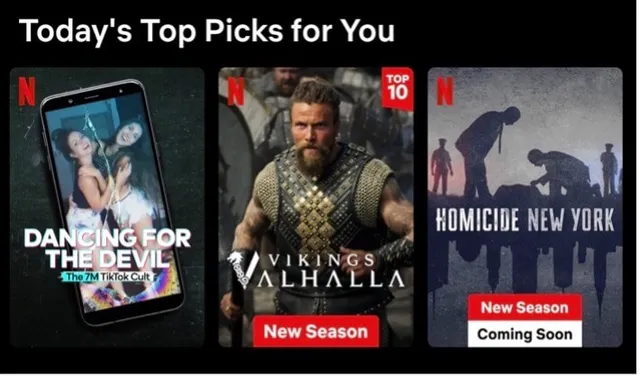
Netflix suggests films and series based on what each user has watched and rated. The experience feels more relevant, and people stay on the platform longer. Let's be honest, who hasn't lurched from one series straight into the next thanks to those suggestions?
06More efficient campaigns
When relevant messages reach the right audiences, campaigns become more efficient: marketing costs come down and ROI goes up.
- Example
- A food delivery service uses demographic and behavioural data to send offers based on each user's food preferences and location.
- In practice
- People who order pizza a lot get special offers from local pizzerias.
- The result
- A better chance of an order and a marketing budget that goes further.
07Personalisation with consent, and with AI
Today much of this personalisation is done by AI models, which can tailor far more finely than hand-written rules. That is exactly why where the data comes from matters more than ever. Personalisation works when the data is used lawfully, usually with people’s consent, and they understand why they are seeing a recommendation. When a brand seems to know too much, the effect turns against it.
08In short
Personalisation is more than a trend. It is a strategy for building real connections with your audience. When brands use data to make their marketing more relevant, they convert better, earn trust and spend more efficiently.
With competition for people's attention and wallets getting fiercer, personalisation can turn a passing interaction into a purchase and, perhaps, into a lasting relationship with the customer.
If you like keeping up with what is new in social media and digital marketing, subscribe to our newsletter. No spam, just one useful newsletter a month.